
135 Researchers Just Warned Europe Is Heading Toward a Pollinator Crisis
A new white paper spanning eight research consortia says fragmented policy, not a lack of data, is the biggest obstacle to reversing pollinator decline.
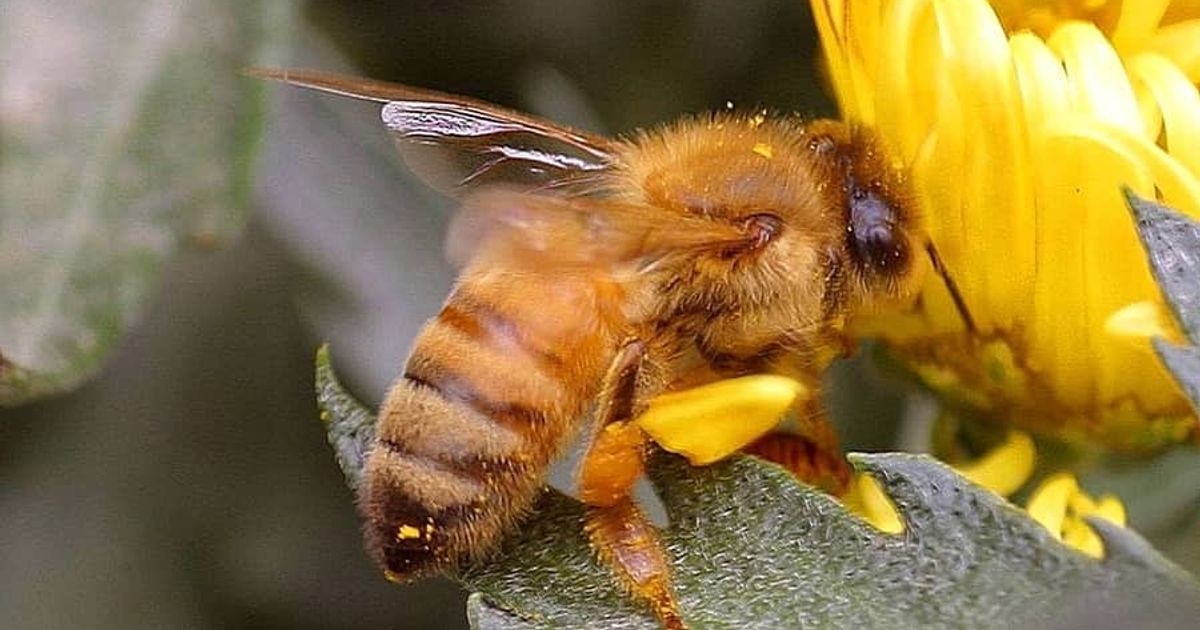
Photo: Jon Sullivan / PD Photo.org, public domain
Europe's pollinator decline has moved from a slow-burning concern to what a group of 135 scientists is now calling, in plain language, a crisis.
The warning comes from a new white paper coordinated across eight research consortia, including BUTTERFLY, RestPoll, ProPollSoil, and PolinERA, with contributions from researchers at Aarhus University's Department of Agroecology, led by Professor Jeroen van der Sluijs. The paper's central claim isn't that the science is unclear. It's that fragmented policymaking across agriculture, environment, chemical regulation, trade, and finance is the real obstacle to reversing the trend, and that continued decline threatens "food security and essential societal functions" well beyond farming, reaching into medicine, textiles, tourism, and cultural heritage industries that quietly depend on pollination.
One detail in the report illustrates the gap between good intentions and good outcomes: many farmers now install wildflower strips to help pollinators, without knowing that certain moth species, not honeybees, are the more effective pollinators for some of the plants they're trying to support, or that the host plants moth larvae actually need are often missing from standard seed mixes. The paper offers 15 concrete recommendations aimed at closing gaps like this one, spanning policy coordination, farming practice, and education.
Why the decline is accelerating
A separate study published this month adds a physiological piece to the puzzle: rising atmospheric CO2 appears to be hitting large-bodied bees hardest. Researchers led by Kit Prendergast surveyed 25 sites in Pakistan and found that big bee species, including Bombus asiaticus and Xylocopa pubescens, showed smaller populations and reduced genetic diversity in high-CO2 areas, while smaller pollinators held steady or even thrived under the same conditions.
The likely mechanism: elevated CO2 changes flowers themselves, lowering the protein content of pollen and the sugar content of nectar, while accelerating fat breakdown inside pollinators' bodies. Large bees have higher metabolic demands to begin with, and they already run hotter and cope worse with dry conditions, so a CO2-driven nutrition squeeze lands hardest on the pollinators least equipped to absorb it.
That matters beyond the bees themselves. Larger species tend to carry more pollen and fly farther between flowers, making them disproportionately important for plant reproduction relative to their numbers. Losing them first doesn't just shrink pollinator populations, it can shrink the effective range of pollination itself.
Between the two findings sits an uncomfortable but useful frame: the biology explains why pollinator decline is speeding up, and the policy paper explains why the response has been slower than the science. Neither is a reason for fatalism. The same white paper points to concrete fixes, and the CO2 research is precise enough to suggest where conservation resources, protecting large-bodied wild bee habitat in particular, might do the most good per dollar spent.
SOURCES
- Europe risks a pollinator crisis, researchers warn — Phys.org
- Big bees have the most to lose as global CO2 levels rise: New research — Phys.org / The Conversation