
U.S. Beekeepers Lost 55.6% of Their Colonies This Year, the Worst on Record
Amitraz-resistant mites and a virus they carry pushed commercial beekeepers into their hardest year since national tracking began in 2010.
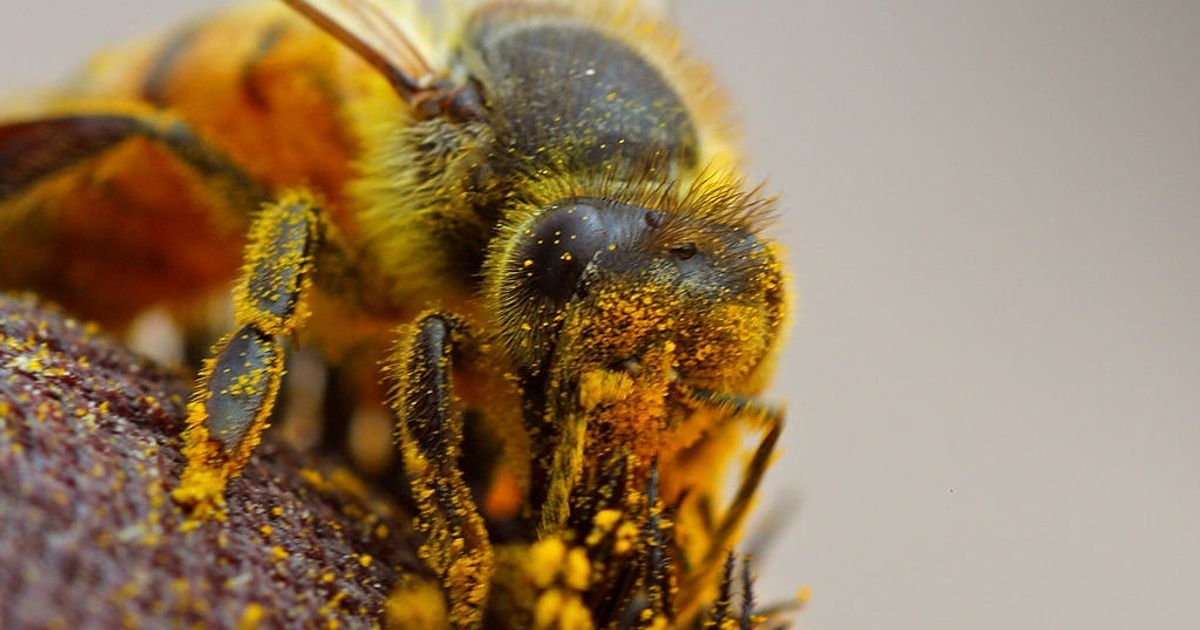
Photo: Jon Sullivan / PD Photo.org
The number to sit with is 55.6%. That's the share of managed honey bee colonies in the U.S. that beekeepers lost between April 2024 and April 2025, according to the annual survey run by Auburn University and the Apiary Inspectors of America. It's the worst loss rate recorded since the survey started in 2010, and it comes on top of an already bad year before it. Winter alone accounted for 40.2% of that toll, higher than any winter average the survey has ever logged.
Commercial operations, the ones running more than 500 hives and trucking bees around the country to pollinate almonds, blueberries, and apples on contract, got hit hardest. Losses among that group between June 2024 and February 2025 outpaced what sideline and hobbyist beekeepers saw, which matters because commercial outfits are the backbone of the pollination-services industry that orchard growers depend on. State-level losses ranged from 34.3% up to 90.5%, a spread wide enough that a beekeeper in one region could lose a third of their bees while a neighbor a few states over lost nearly everything.
Mites that stopped responding to treatment
The driver isn't a mystery. Researchers at UC Riverside working with the Honey Bee Health Coalition found that every Varroa mite sample they pulled from both collapsed and surviving colonies carried genetic markers for resistance to amitraz, which has been the go-to miticide for years. When the primary chemical tool stops working across the board, beekeepers lose their main lever for controlling the mite population before it explodes.
Varroa mites don't just weaken bees directly, they spread viruses. A USDA Agricultural Research Service preprint based on beekeeper triage surveys found Deformed Wing Virus in nearly 90% of the failed colonies sampled this year. That virus, transmitted by mites, is well documented to cause colony mortality on its own, so resistant mites plus a virus they're actively spreading amounts to a one-two punch that beekeepers currently have no good chemical answer for.
What it costs beyond the hive
Roughly 75% of crop production depends on pollinators in some form, and this isn't an abstract dependency. The survey estimates the losses translate to more than $600 million in lost honey production and pollination income, and agricultural economists are penciling in 5-10% price increases on pollination-dependent crops heading into 2026. Almonds, blueberries, apples, cucumbers, the crops that need a hive trucked in and set down at bloom time, are the ones most exposed. If commercial beekeepers can't rebuild colony counts fast enough before almond bloom in February, growers either pay more for fewer available hives or gamble on lower fruit set.
There's no resistance-management fix on the immediate horizon that beekeepers widely trust yet. Rotating miticide classes, breeding for mite-resistant bee stock, and screening queens more aggressively are all in play, but none of it reverses a year like this one quickly. The survey authors note this is the second consecutive year of losses this severe, which raises the harder question of whether the industry is looking at a new baseline rather than a bad stretch.
Innovation Spotlight: BloomX
One reason growers are watching this collapse closely is that managed bees are often unavailable exactly when weather and bloom timing line up, mite crisis or not. BloomX makes the YAHAV 2400, a mechanical pollination platform that uses electrostatic pollen collection paired with an AI-scheduled app to pollinate blueberry and avocado orchards during the specific weather and timing windows when bees typically aren't flying or aren't available at all. It's not a replacement for a healthy bee population, but it's one of the tools growers are increasingly leaning on to de-risk pollination when hive supply gets shaky.
SOURCES
- U.S. beekeepers lose 55.6% of honey bee colonies as resistant mites fuel worst die-off on record
- U.S. beekeepers lose 55.6% of honey bee colonies as resistant mites fuel worst die-off on record
- Insights from U.S. beekeeper triage surveys following unusually high honey bee colony losses 2024-2025
- 2025 Honey Bee Colony Losses | Topics in Subtropics
- Honey Bee Colony Loss 2026 | Trends, Causes & Prevention | Vegas Bees
- Colony Collapse Crisis 2026: What Record Bee Losses Mean and How You Can Help